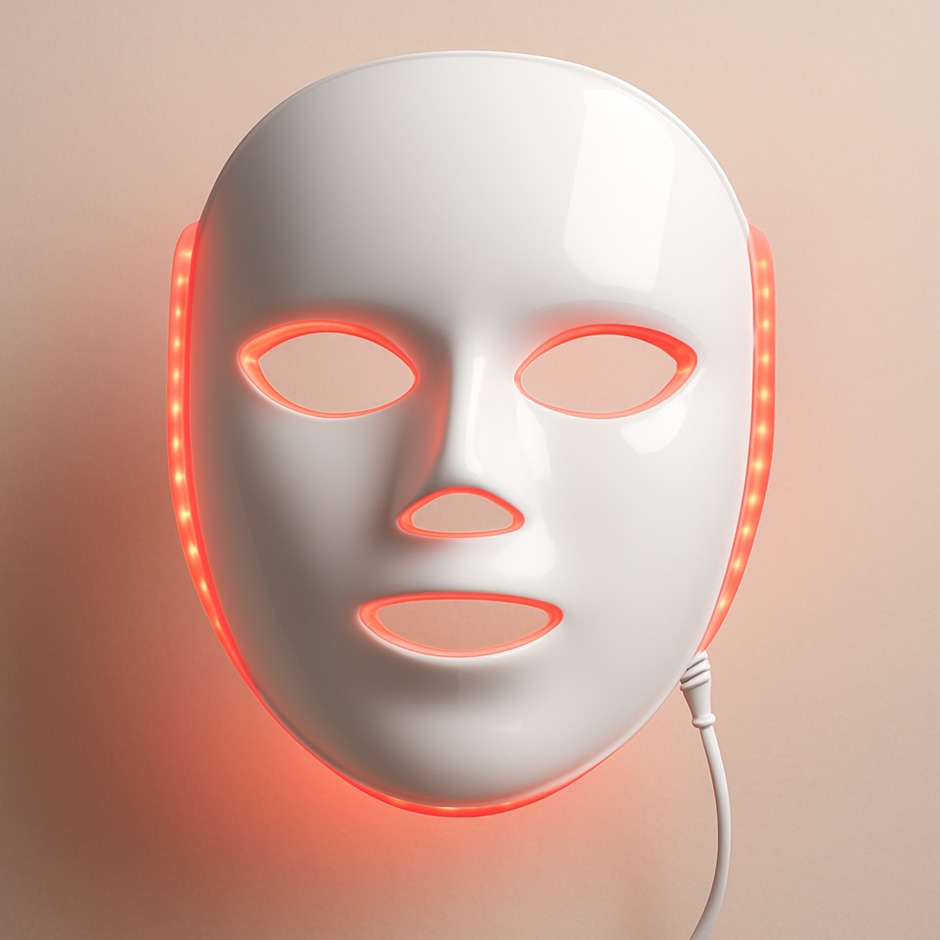
In recent years, LED face masks have gained popularity for treating common skin concerns like acne, pigmentation, and signs of aging—all from the comfort of home. But are these devices truly effective, and how do they compare to professional LED treatments offered in a dermatology clinic?
Here’s everything you need to know about LED light therapy, the science behind it, and whether it’s worth investing in an at-home LED mask.
What Is LED Light Therapy?
LED (Light Emitting Diode) therapy uses different wavelengths of light to penetrate the skin at varying depths. Each light color targets a specific skin concern:
- Blue Light: Targets acne-causing bacteria, reduces oil production, and helps unclog pores.
- Red Light: Boosts collagen production, smooths fine lines, and improves skin texture.
- Green Light: Helps reduce pigmentation and calms redness.
- Yellow/Orange Light: Soothes inflammation, promotes healing, and supports lymphatic drainage.
How Do LED Face Masks Work?
At-home LED face masks emit these same therapeutic wavelengths but at much lower intensities compared to clinic-grade devices. With regular use—typically 3 to 5 times a week for 10–20 minutes per session—users may see improvements in skin tone, breakouts, and overall radiance within 4 to 6 weeks.
Professional LED Therapy vs. At-Home LED Masks
While both have their benefits, there are key differences:
At-Home LED Masks
- Lower intensity
- Safe for regular use
- Best for maintenance and mild skin concerns
- Generalized settings without customization
In-Clinic LED Therapy
- Higher power for faster, targeted results
- Customizable settings based on skin type and concern
- Often combined with treatments like HydraFacial, microneedling, or laser to enhance outcomes
- Supervised by a trained dermatologist for safety and precision
In short: At-home LED masks are great for ongoing skin maintenance, while professional LED therapy offers faster and more dramatic improvements, especially for stubborn acne, pigmentation, or signs of aging.
Are LED Masks Safe? What Are the Risks?
LED light therapy is generally very safe. However, mild side effects such as redness, dryness, or tenderness can occur, especially in those with sensitive skin. It’s important not to overuse the device.
More seriously, eye safety is crucial. Extended exposure to LED light—particularly blue and red—without protection can cause eye strain, irritation, or blurry vision. Always wear protective eyewear or shields during use.
What Skincare Works Best with LED Light Therapy?
To enhance results, pair LED therapy with the right skincare ingredients:
Before LED Treatment
- Gentle cleanser to remove buildup
- Hydrating mist or serum (e.g. hyaluronic acid, peptides, niacinamide) to prep skin
After LED Treatment
- Soothing serum to calm skin
- Moisturizer to lock in hydration
- SPF during the day to protect treated skin
Avoid retinoids, AHAs/BHAs, or exfoliants immediately before or after LED use to prevent irritation.
Are LED Masks Worth the Investment?
Yes—if you’re looking for an easy, non-invasive way to maintain your skin between clinic visits. At-home masks can help with mild acne, skin texture, and early signs of aging. But for those wanting quicker and more visible changes, professional LED therapy under a dermatologist’s care is far more effective.
Recommended At-Home LED Masks
Look for FDA-cleared or dermatologist-recommended brands such as:
- Dennis Gross DRx SpectraLite FaceWare Pro
- CurrentBody Skin LED Light Therapy Mask
- Omnilux Contour
What’s Right for You?
If you’re new to light-based skincare, an at-home LED mask can be a great starting point. For more serious skin concerns or faster results, book a consultation for in-clinic LED therapy where settings can be tailored to your exact needs.
Always consult a board-certified dermatologist before beginning any new treatment—especially if you have sensitive skin, existing skin conditions, or are unsure about the best approach for your skin type