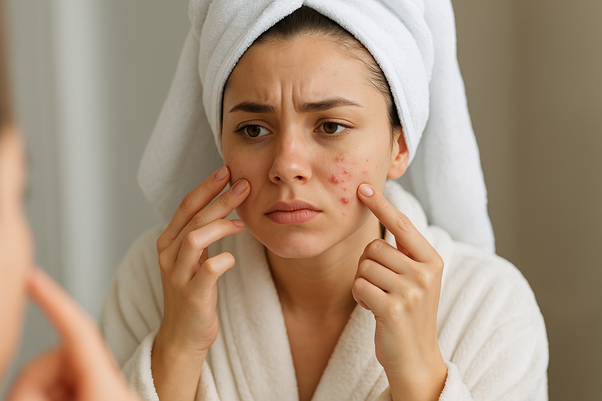
Acne is one of the most common skin concerns affecting teens and adults alike. Whether it’s a single pimple before an important event or a recurring issue that just won’t go away, acne can have a huge impact on your confidence and skin health. But what really causes acne? How can you treat it effectively without worsening it? And is it even possible to prevent acne marks and scars? Let’s decode it all in this comprehensive, dermatologist-approved guide.
What Happens Beneath the Skin When a Pimple Forms? Every pimple begins with a clogged pore. Your skin produces oil (sebum) and sheds dead cells regularly. When these mix with makeup, dirt, or bacteria, they clog the pores. Your immune system then reacts, causing inflammation. This process forms blackheads, whiteheads, red bumps, or pus-filled boils—depending on severity.
Should You Pop Pimples? Absolutely not. Popping pimples can push the infection deeper, cause inflammation, delay healing, and leave behind stubborn acne scars or pigmentation. The best approach? Keep your hands off and opt for proper acne treatment.
Types of Acne Explained Acne presents in four major stages:
- Stage 1 – Comedones: Blackheads and whiteheads due to clogged pores.
- Stage 2 – Papules: Red, inflamed bumps often surrounding comedones.
- Stage 3 – Pustules: Pus-filled boils indicating infection.
- Stage 4 – Nodules & Cysts: Deep, painful lumps due to hormonal imbalance and persistent inflammation.
Can Acne-Prone Skin Ever Become “Normal”? While acne can’t be permanently cured, consistent, timely treatment and lifestyle changes can keep it under control and restore healthy, clear skin.
Why Is Adult Acne on the Rise? We’re definitely seeing more adult acne today. Increased awareness around skincare is one reason, but lifestyle stress, hormonal changes, and poor diet also play a significant role in triggering acne breakouts.
Is Junk Food the Culprit? Yes, to a certain extent. Junk food, high in refined sugar and unhealthy fats, contributes to 15-20% of acne flare-ups. Reducing such foods can significantly help acne-prone skin.
5 Foods to Avoid for Acne-Free Skin:
- Excess sugar (sweets, chocolates, sodas)
- Processed & packaged snacks
- Dairy (especially skimmed milk)
- Whey protein powders
- Deep-fried, oily foods
Is Hormonal Acne Always Linked to PCOS? Not always. While PCOS is one factor, other causes like stress, insulin resistance, thyroid issues, or hyperandrogenism can trigger hormonal acne. Even those with regular periods can have hormone-related breakouts.
Do Home Remedies Work or Worsen Acne? Most DIY treatments like lemon juice, toothpaste, baking soda, or turmeric can harm your skin. They disrupt the pH balance and damage your skin barrier, worsening acne.
Do Antibiotics Help with Acne Long-Term? Antibiotics are effective for certain types of acne but not a long-term solution. Prolonged use can lead to antibiotic resistance. Dermatologists often combine them with other treatments for holistic acne care.
Gut Health & Acne: What’s the Link? Poor gut health contributes to systemic inflammation, which can lead to acne. A compromised gut lining (leaky gut) affects nutrient absorption and hormonal balance, further impacting skin health. Healing your gut can improve your skin significantly.
How Long Does It Take to Heal Acne Completely? Most acne treatments begin showing results in 4-6 months. Complete healing may take up to a year depending on severity, lifestyle, hormonal balance, and treatment consistency.
Understanding Body Acne Body acne occurs over oil gland-rich areas like the chest, back, shoulders, and buttocks. Common triggers include:
- Hormonal changes
- Whey protein
- Sweat retention after workouts
- Hair products like conditioners
- Friction from clothing
- Oil massages
The Risks of Picking Acne Picking or squeezing pimples causes inflammation, increases bacteria spread, and often leads to Post-Inflammatory Hyperpigmentation (PIH), Post-Inflammatory Erythema (PIE), or scarring.
Painful vs. Regular Acne Painful acne involves deep inflammation, hormonal imbalance, or cyst formation. Regular acne includes blackheads, whiteheads, and small red bumps from clogged pores and oil build-up.
Picked on a Pimple? Here’s What to Do
- Moisturize and apply sunscreen
- Use pimple patches
- Avoid touching the area again
- Consult your dermatologist for treatment
Overnight Acne Remedies: Myth or Reality? There is no overnight acne cure. However, spot treatments with 2% Salicylic Acid or Benzoyl Peroxide, and pimple patches can reduce the size slightly. Consistency remains key.
How to Prevent Acne Scars and Dark Spots
- Treat acne early
- Avoid touching or popping pimples
- Moisturize and use sunscreen daily
- Address underlying hormonal or lifestyle causes
- Visit a dermatologist for customized treatment
Are Acne Dark Spots Permanent? No. With proper skincare, sunscreen, and prescription serums, most dark spots fade over time. Dermatological treatments like chemical peels, Q-switched laser, microneedling, and HA skin boosters can help.
Isotretinoin: Miracle Drug or Caution Zone? Isotretinoin (Isotroin) is a vitamin A derivative that reduces oil gland activity and increases skin turnover. It’s highly effective but must be taken under a dermatologist’s supervision. Regular blood tests and strict protocols are essential.
Do Birth Control Pills Help Acne? Yes, but only when necessary and prescribed by a doctor. They help regulate hormonal acne but aren’t for everyone. A dermatologist will assess your hormonal profile before suggesting this route.
Clear Skin Needs Consistency, Not Quick Fixes Acne is a chronic skin issue but not an untreatable one. With the right skincare, timely medical intervention, and lifestyle adjustments, it’s possible to maintain healthy, glowing skin. Instead of falling for myths or quick fixes, consult your dermatologist and follow a tailored plan.